
Weave Together Creativity and Community
The Weaving Workshop, founded in Chicago by artist Dee Clements, is an artist-led school dedicated to basketry, off loom and 3-D weaving, and fiber craft.
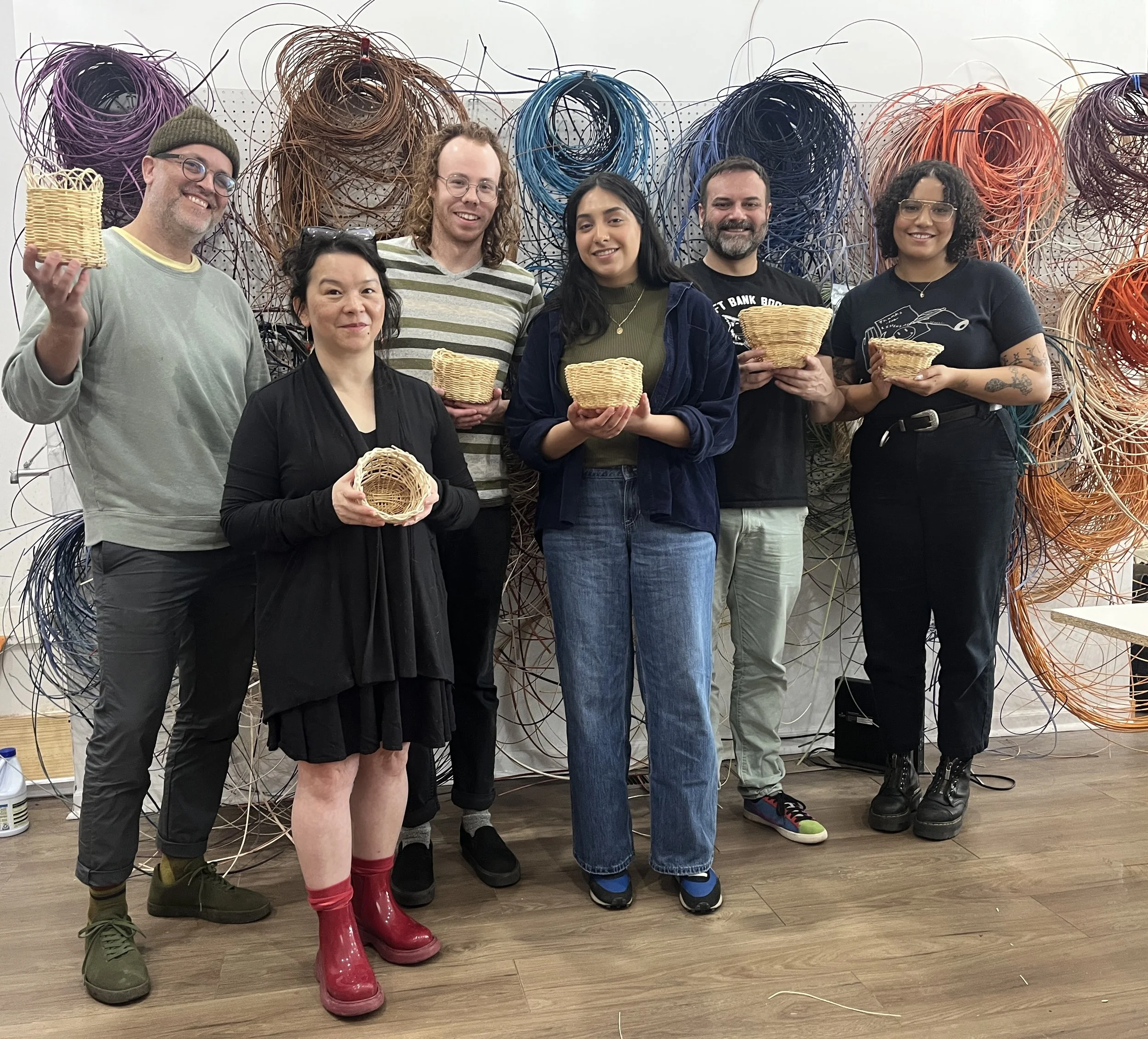
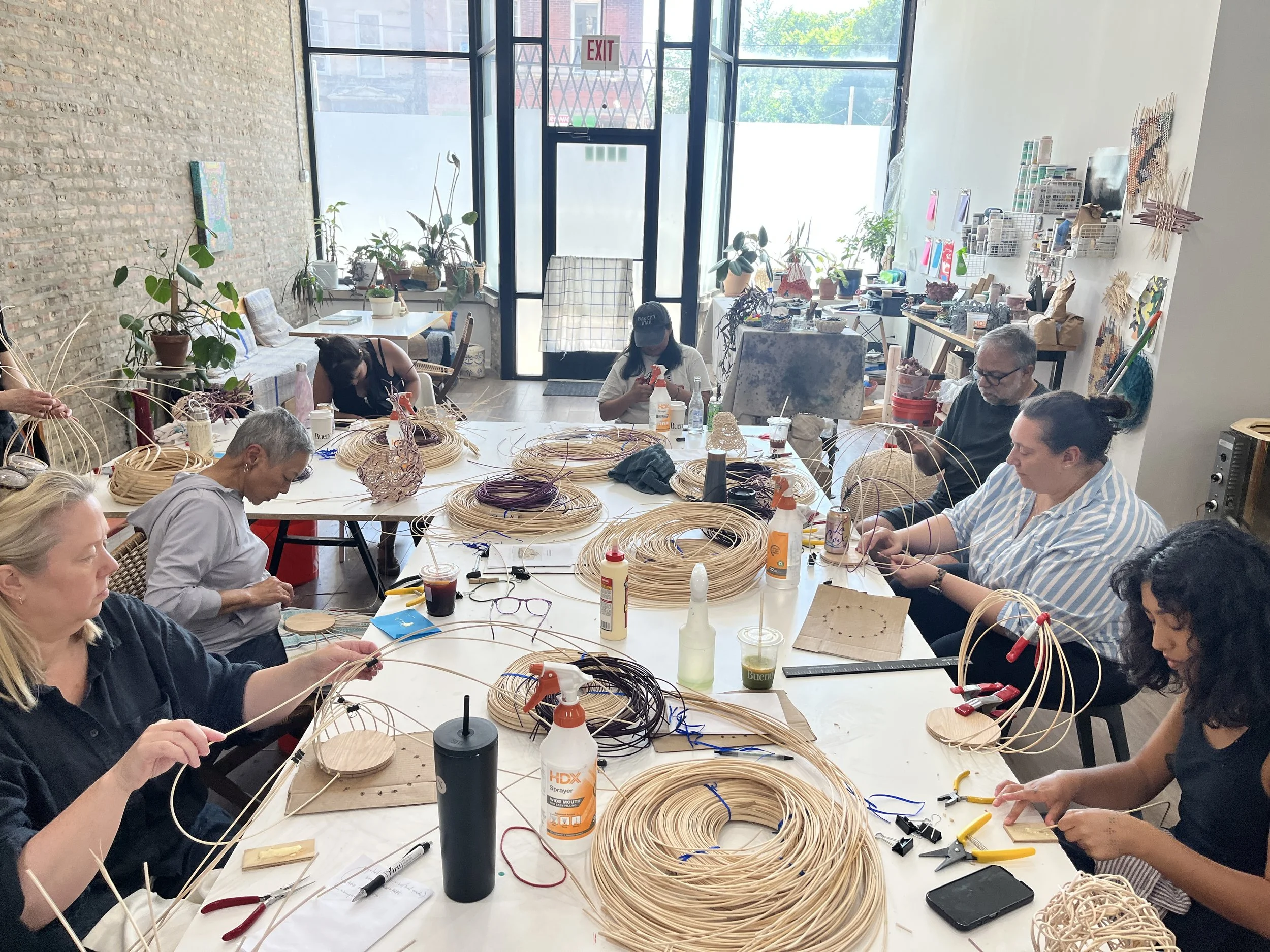
Welcoming all skill levels, workshops emphasize hands-on learning, community, and creativity. It’s a warm, creative space to connect, learn, and explore making through material and craft.
Mission

The Weaving Workshop aims to cultivate a vibrant community centered around creativity and the fusion of traditional basketry with art and design.
We provide an inclusive and welcoming space for individuals of all skill levels to explore basketry, three-dimensional weaving, and fiber crafts. Our focus is on fostering connections through hands-on learning.
While we honor traditional techniques, we also encourage experimentation, inviting participants to break the conventional rules of craft to create something unexpected. We celebrate the joy of making as both a mindful practice and a form of artistic expression. Through this approach, we create both individual and shared experiences that spark creativity, build community, and carry this ancient craft forward.

Meet our founder
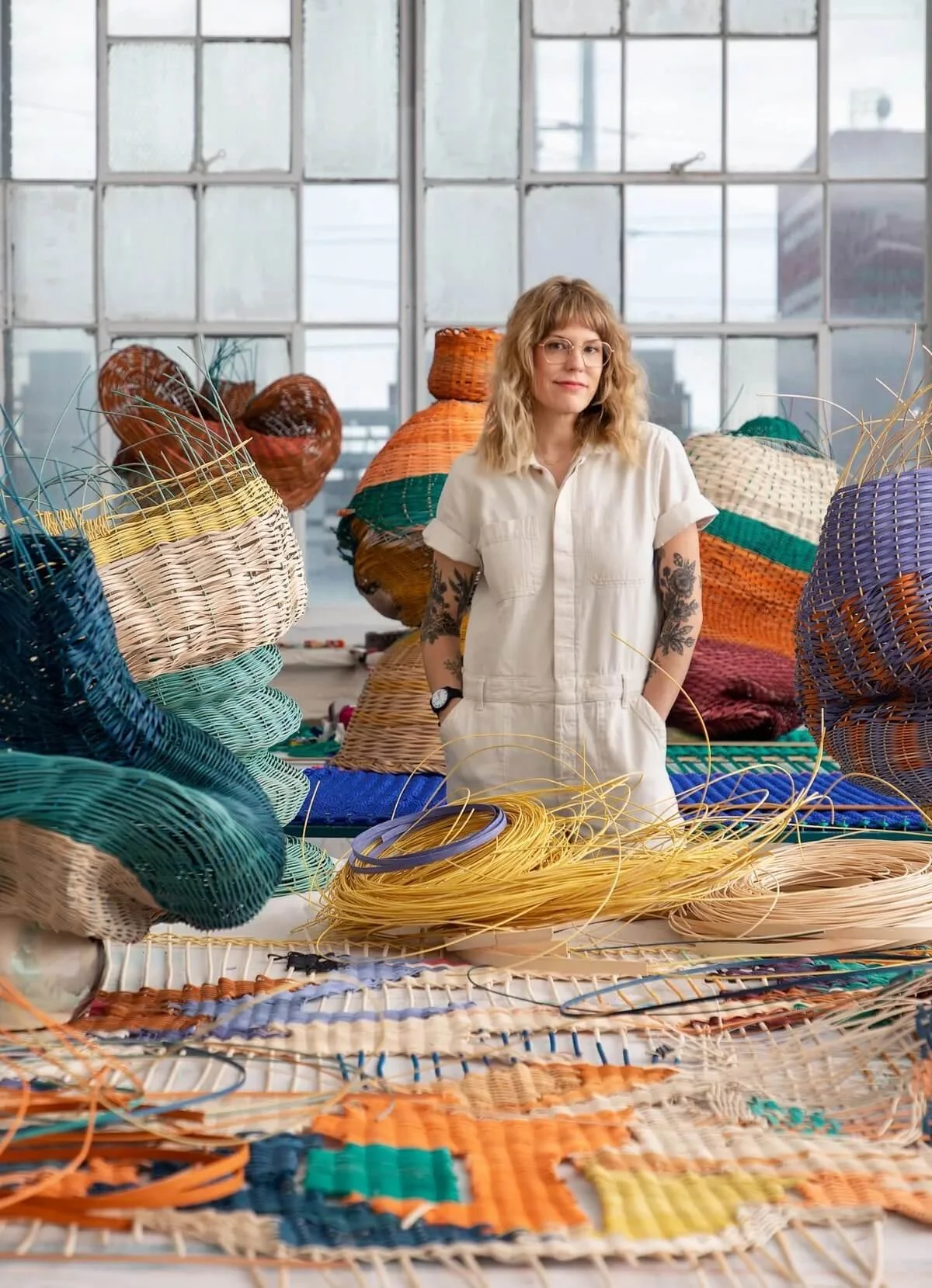
Dee Clements is a celebrated artist and the founder of The Weaving Workshop in Chicago. With a deep love of and interest in craft and art, she has dedicated her life and career to developing her artistic practice and research.
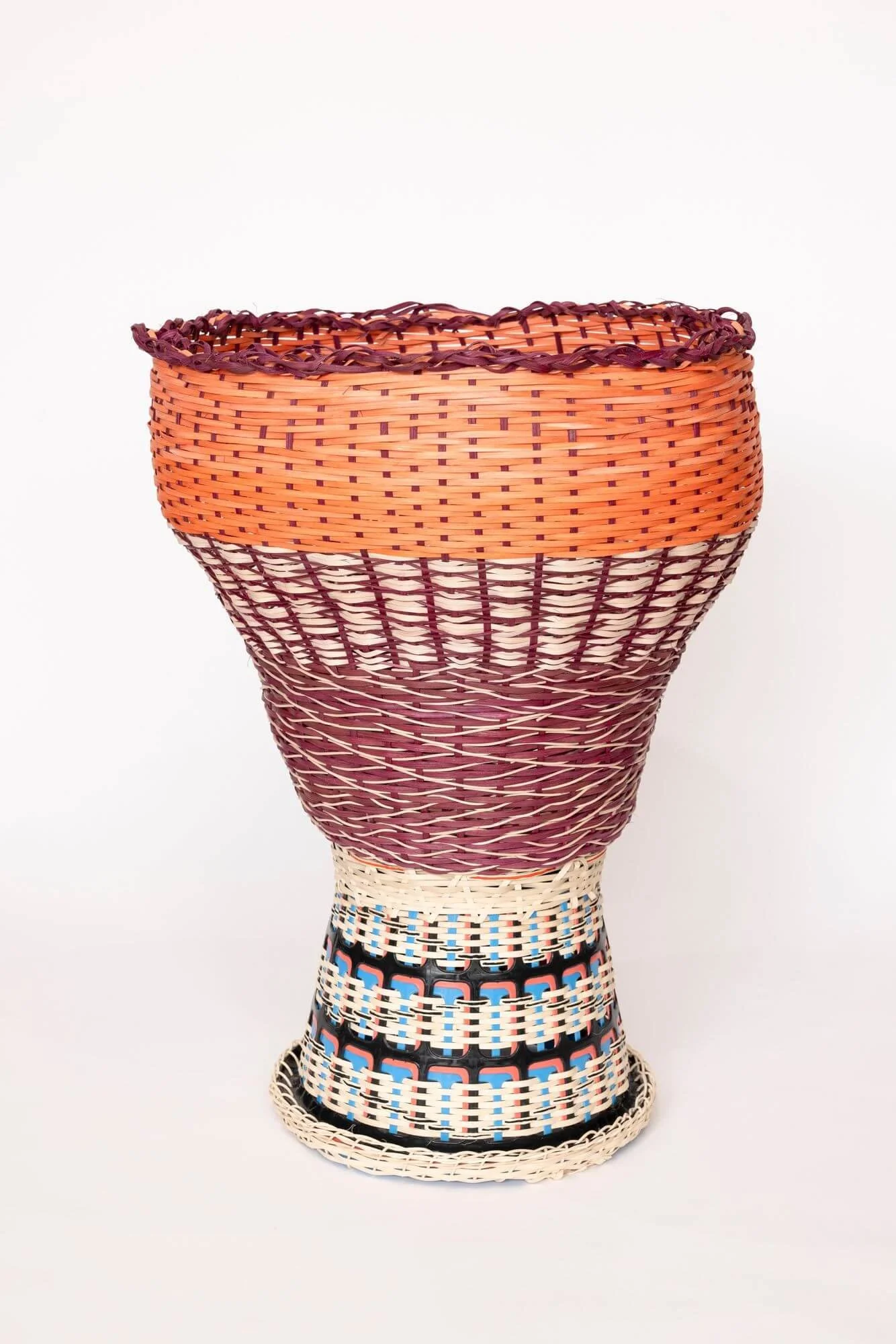
The founding of The Weaving Workshop represents the culmination of this path, bringing together her knowledge and expertise to create a welcoming space where creativity transforms basketry into new forms of artistic expression. In her process-based art practice, she explores the intersection of materials, craft, and ethnography, inspiring others to experience the joy of hands-on making while fostering connection through shared experience.
Dee holds an MFA in 3D Design from Cranbrook Academy of Art and a BFA in Fiber/Material Studies and Sculpture from The School of the Art Institute of Chicago. Her work is held in the collections of The Cranbrook Art Museum, The Anderson Collection at Stanford University, and in the acquisition process at Yale University Art Gallery. Her expertise and warm, encouraging teaching style make her a trusted guide for artists of all levels.


About our Name
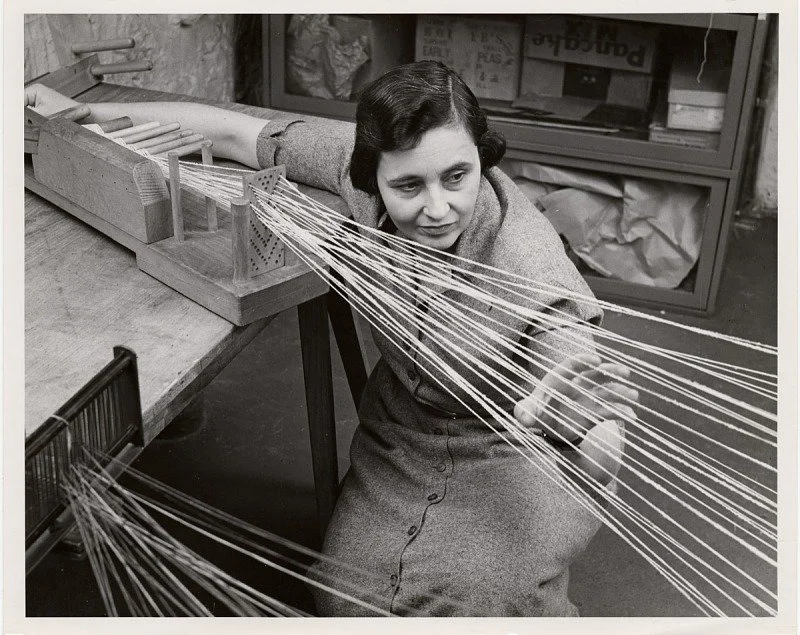
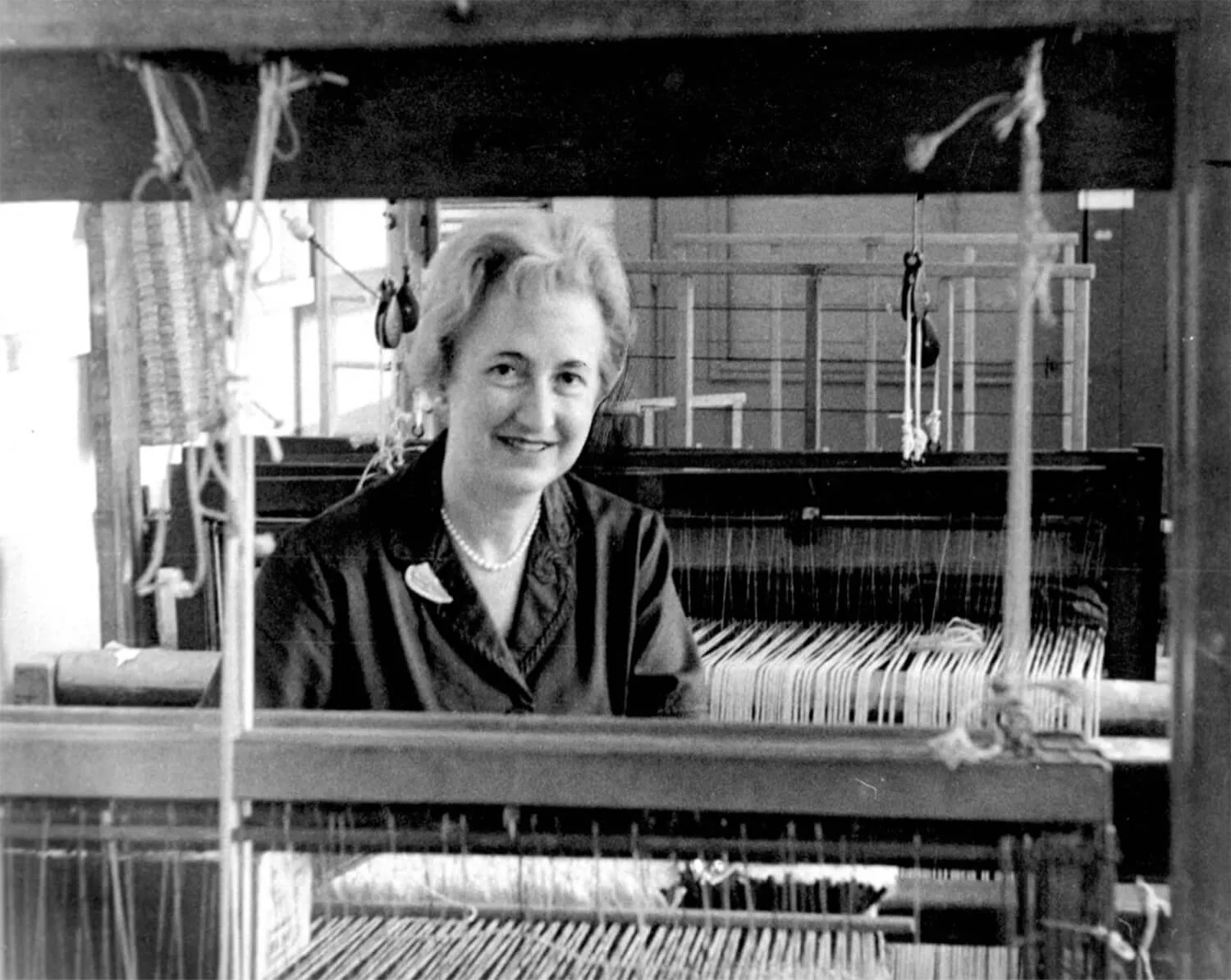
Top: The Weaving Workshop at The Bauhaus (Erhman in front), Middle: Marli Erhman, Bottom: Else Regensteiner.
When I first moved to Chicago in the late 1990s, a place called The Weaving Workshop had just closed. It was a hub for fiber art and owned by Marilyn Murphy, a weaver and educator who went on to become president of Interweave Magazine. Murphy, while a generation younger, was directly associated with Else Regensteiner and Marli Ehrman, members of The Bauhaus’s Weaving Workshop and founding figures in Chicago’s weaving and fiber arts movement.
After the Bauhaus closed, Regensteiner emigrated to the United States with her husband and studied at Black Mountain College with Anni + Josef Albers. Eventually making her way to Chicago, where her Bauhaus friend Ehrman was running the weaving department at The School of the Art Institute of Chicago (my alma mater), then called “The New Bauhaus”. Regensteiner first taught at the settlement project Hull House, and became Ehrman’s assistant at The New Bauhaus (SAIC), working her way up eventually to become head of the weaving and fiber department until her retirement in the 1970s. Murphy’s Weaving Workshop, which operated for nearly 20 years from the early 1980’s to the late 1990s, carried on the education mission of Bauhaus-influenced weavers like Ehrman and Regensteiner, making Chicago a rich landscape for weaving and fiber arts.
The Bauhaus
From 1919 to 1933, the now-legendary school of art and design in Germany, called the Bauhaus, produced some of the most brilliant artists, designers, craftspeople, and architects of the last century. However, women faced tremendous discrimination when seeking to enroll, especially in architecture, ceramics, or painting programs.
As a result, a department was established called the Weaving Workshop, which focused on textile studies and provided “a more suitable space” for women to pursue their art education. Women were directed to enroll in the Weaving Workshop, which became known for its innovative and technical work in weaving and textiles. Anni Albers, Gunta Stolz, and Otti Berger, to name a few, were some of the notable women who established textiles and weaving at the Bauhaus as a serious craft, both for industry and artistic expression.
This department and the remarkable women who contributed to its legacy, and its tie to Chicago’s first ladies of weaving, Else Regensteiner, Marli Ehrman, and Marilyn Murphy, serve as the inspiration for The Weaving Workshop I founded in 2024.